DESIGN
Defining Instructional Design And Technology in the Age of Artificial Intelligence
Instructional Design and Technology is an integrative forward approach to learning. We are at the cusp of a technology revolution and I am excited for the future. The face of adaptive learning is changing rapidly and with new tools that can create a more rigorous learning environment through engagement, tailored to the learners specific needs. Artificial Intelligence creates a new paradigm, and I am evolving with this new environment. With ever growing Ai and technology, I am taking a proactive approach where I integrate and collaborate with Ai. With artificial intelligence, combined with the ADDIE Model which is foundational for IDT, development of learning tailored to students specific needs will be boon to future education. IDT involves research and Analysis of client and learners needs, the Design to articulate, Development of Materials, Implementation learning materials, and Evaluation through assessments. ADDIE provides the fundamental platform and other learning and design models integrate within its structure.
INSTRUCTIONAL DESIGN MODELS
Bloom's Taxonomy Combined with Backward Design work together powerfully by using Bloom's verbs to define specific, measurable learning outcomes, ensuring assessments align perfectly with complex thinking goals, and then designing engaging activities that guide students up the taxonomy levels to achieve mastery. This combination focuses on deep understanding and purposeful learning, moving beyond simple content coverage to foster critical thinking and real-world skills.
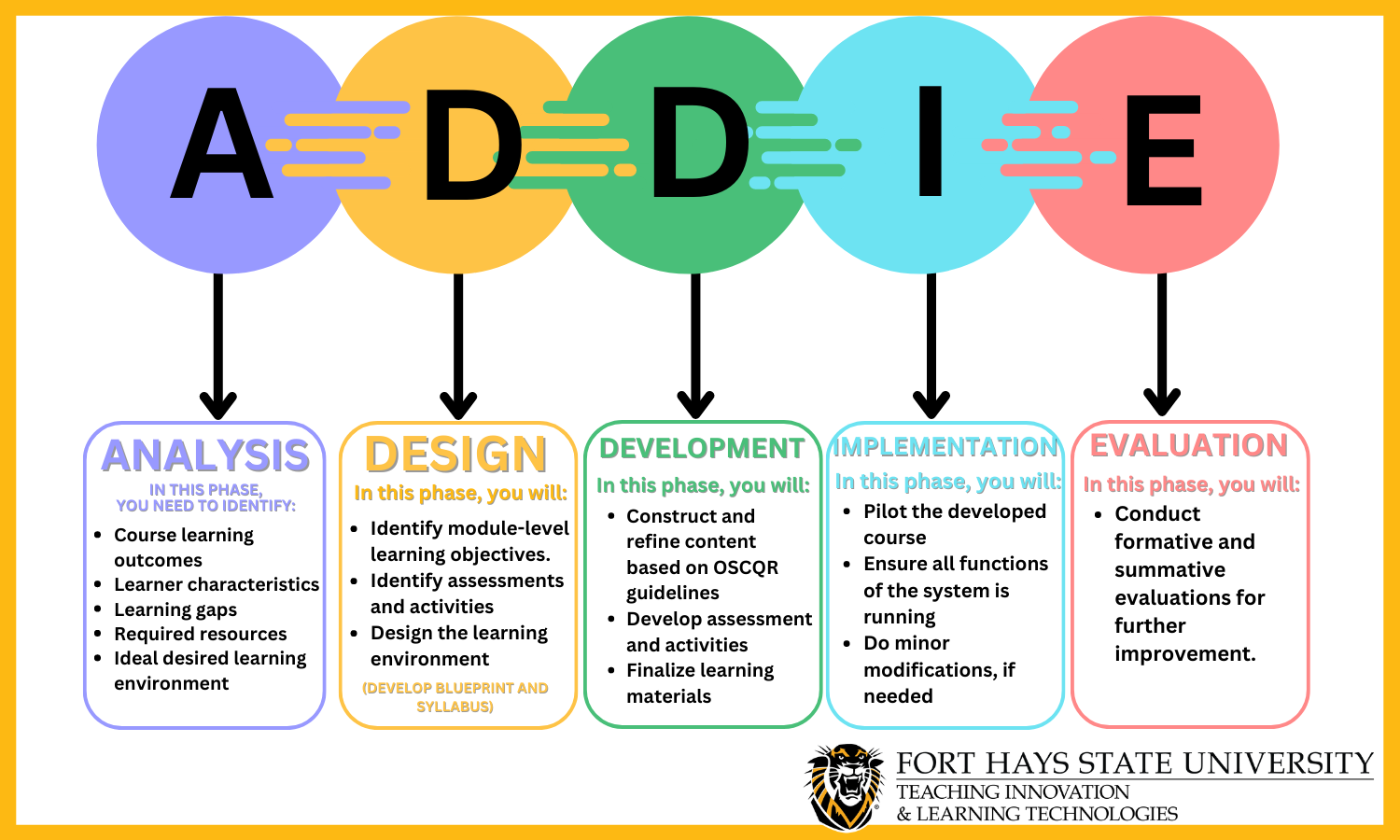

WHAT IS BACKWARDS DESIGN
Backward Design is a planning approach where educators start with the end goals or desired outcomes and work backward to design instruction and assessments.
3 Stages of Backward Design
Identify Desired Results (Outcomes)
Determine what students should know and be able to do by the end of instruction.
Focus on standards, learning goals, and big ideas.
Ask: What should students understand? What are they expected to achieve?
Example:
Understand key themes in a novel.
Master foundational math concepts.
Apply a historical inquiry method.
Determine Acceptable Evidence (Assessment)
Decide how you will measure student learning and mastery.
Use formative and summative assessments aligned with the desired outcomes.
Ask: How will I know if students have achieved the outcomes?
Examples of Evidence:
Essays and research projects.
Tests, quizzes, or performance tasks.
Concept maps, peer assessments, and reflections.
Plan Learning Experiences and Instruction
Design instruction that will help students meet the identified learning outcomes.
Use strategies that are engaging, differentiated, and scaffolded.
Ask: What instructional strategies and activities will help students achieve the outcomes?
Examples:
Collaborative group work.
Guided practice and inquiry-based learning.
Digital tools and multimedia to support exploration.
Help learners apply what they’ve learned to new contexts or future tasks.
Example: Use summaries, concept maps, or real-world applications.
THE SUCCESSIVE APPROXIMATION METHOD
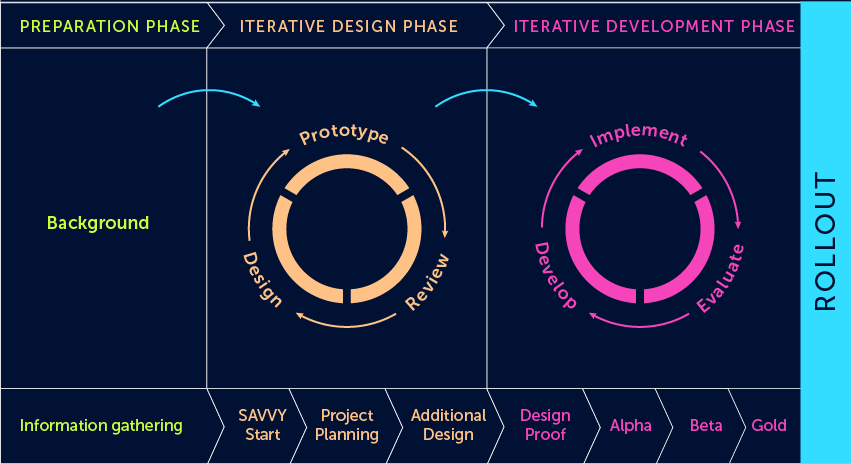
What is SAM?
The Successive Approximation Method is an iterative instructional design model built around rapid prototyping and continual evaluation. Rather than progressing in a linear sequence, SAM moves through short, repeatable cycles that refine the design continuously. This creates a circular, adaptive workflow where learning modules evolve in real time — resulting in instruction that is both engaging and rigorous.
SAM also saves time by catching issues early. Immediate feedback reveals what’s working, what needs recalibration, and how the design is resonating with learners. It emphasizes adaptability, ongoing communication with SMEs or clients, rapid prototyping, and intentional decision-making grounded in learner needs and purpose.
Core SAM Phases
Preparation Phase
Define goals, gather background information, conduct needs analysis, and establish expectations with stakeholders.
Iterative Design Phase
Create quick prototypes, test early ideas, review with SMEs or clients, and refine the structural elements before full development.
Iterative Development Phase
Build functional components, test them with learners or stakeholders, gather immediate feedback, and adjust — cycling until the learning experience meets the intended outcomes.
ARCHITECTURAL DESIGN TO ENHANCE RETENTION & TRANSFER
Creating visual engagement strategically placed peaks curiosity in learners, which can be guided with text and imagery.The material needs to flow, creating a path through the material that is cohesive with the way the mind perceives it. Deep learning occurs when curiosity, ability, and engagement are all present within the material paired with the learners interest and ability.
Mayer’s 12 Principles of Multimedia Learning
Hierarchy and Value
Who What Where When and How
1. Coherence Less is more: Streamline information
2. Signaling Guide attention: Focal point for vital information
3. Redundancy Avoid static repetition: Use either graphics OR text. Avoid an over abundance of text
4. Spatial Contiguity Close proximity: Visuals and text should be close to each other on the screen
5. Temporal ContiguityTiming matters: Present visuals and animation should be presented simultaneously with text .

AI-Augmented Visual Interpretation & Creative Reasoning
Using “Raccoon Court” Illustration
REFLECTION ON MY DEVELOPMENTAL JOURNEY THROUGH IDT
My e-portfoli Alignment with Key Learning Objectives for Instructional Designers
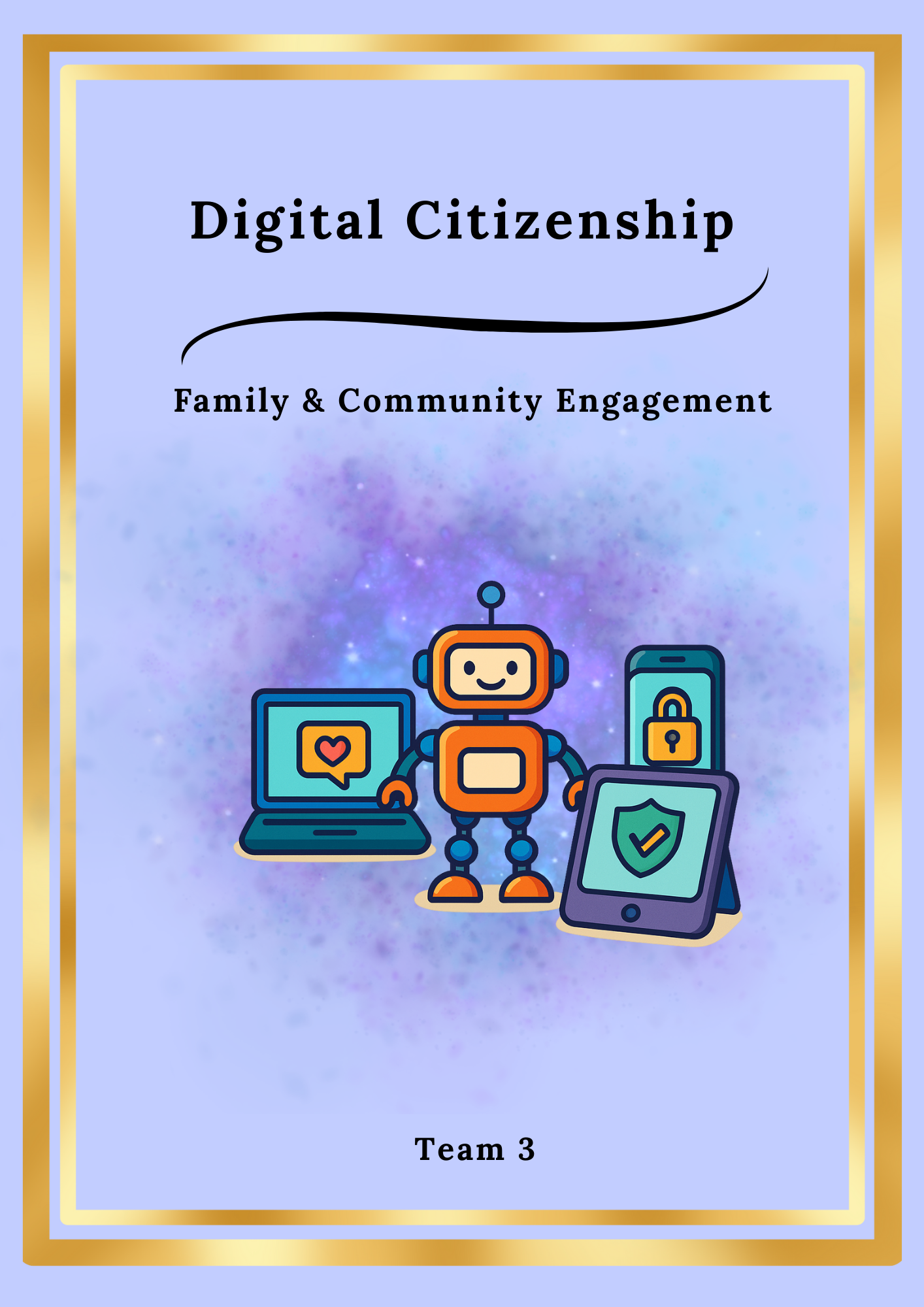
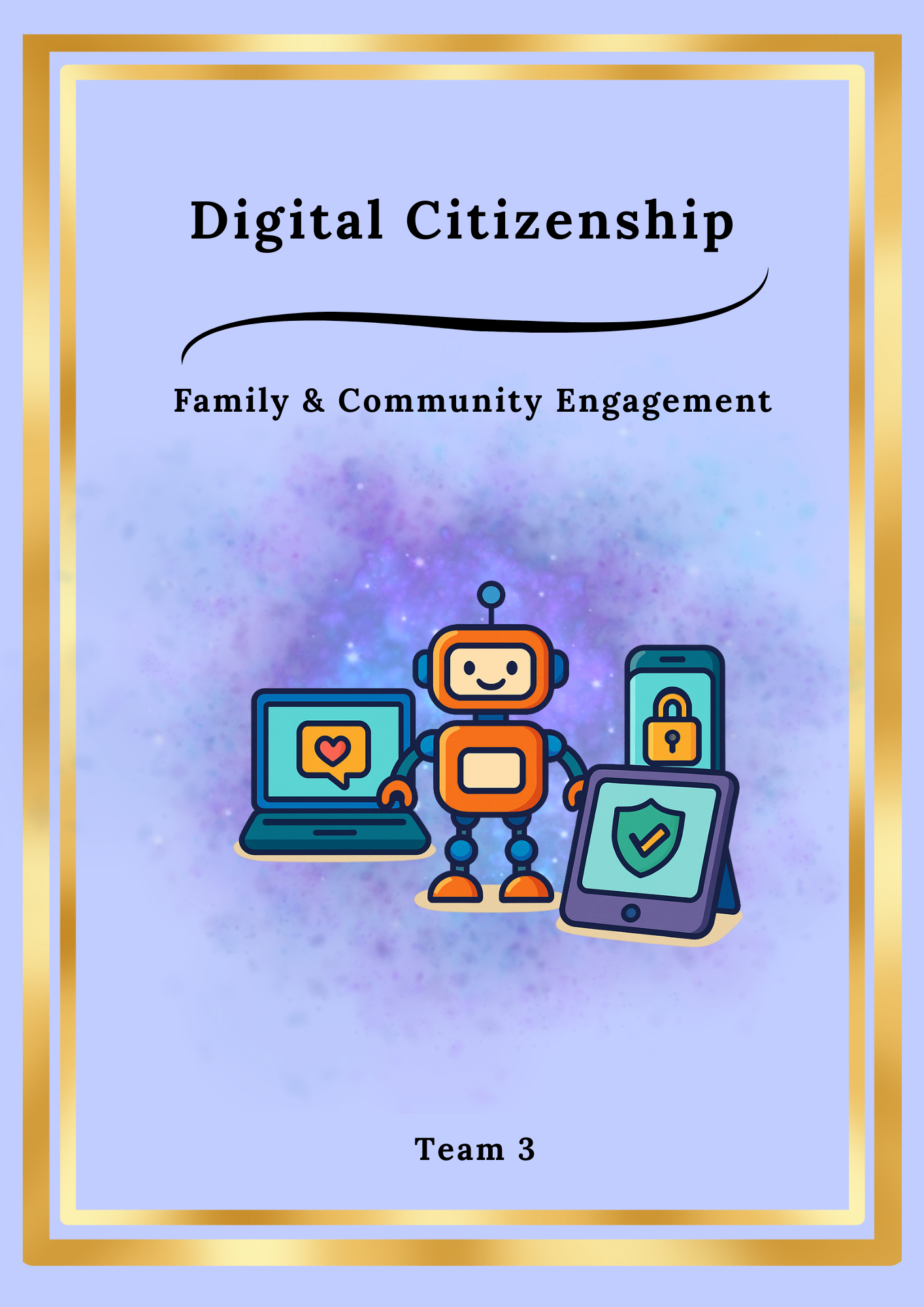
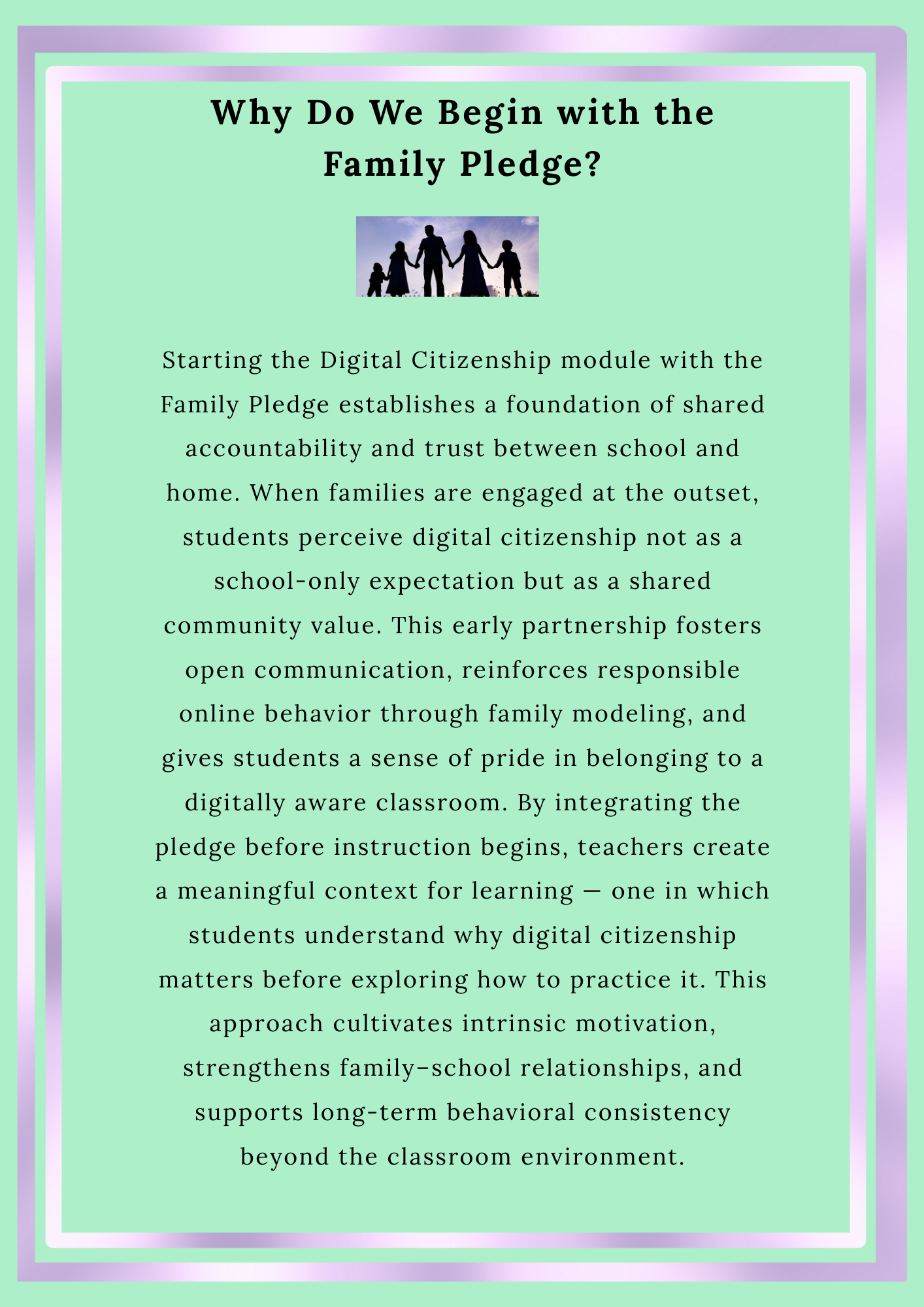
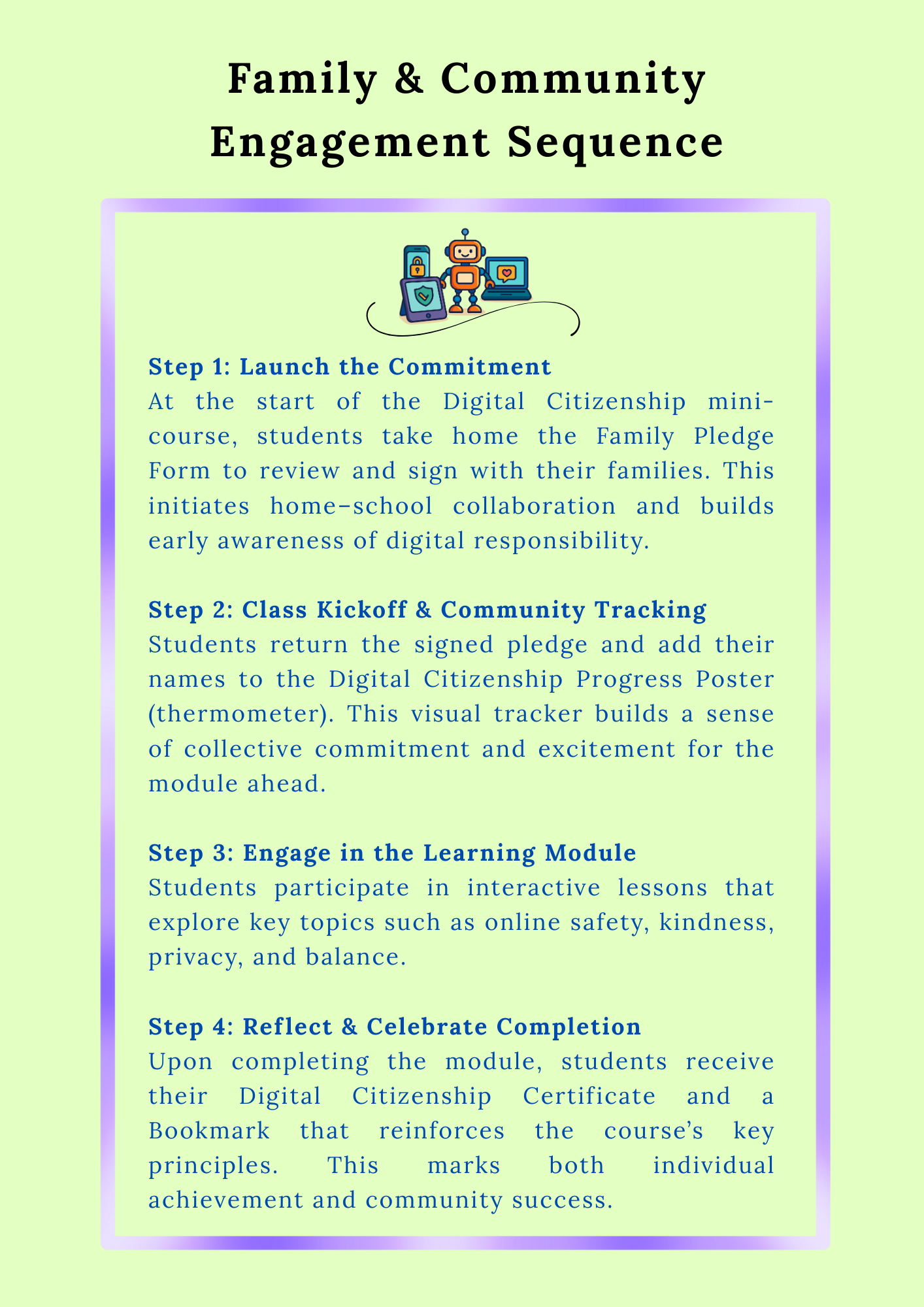
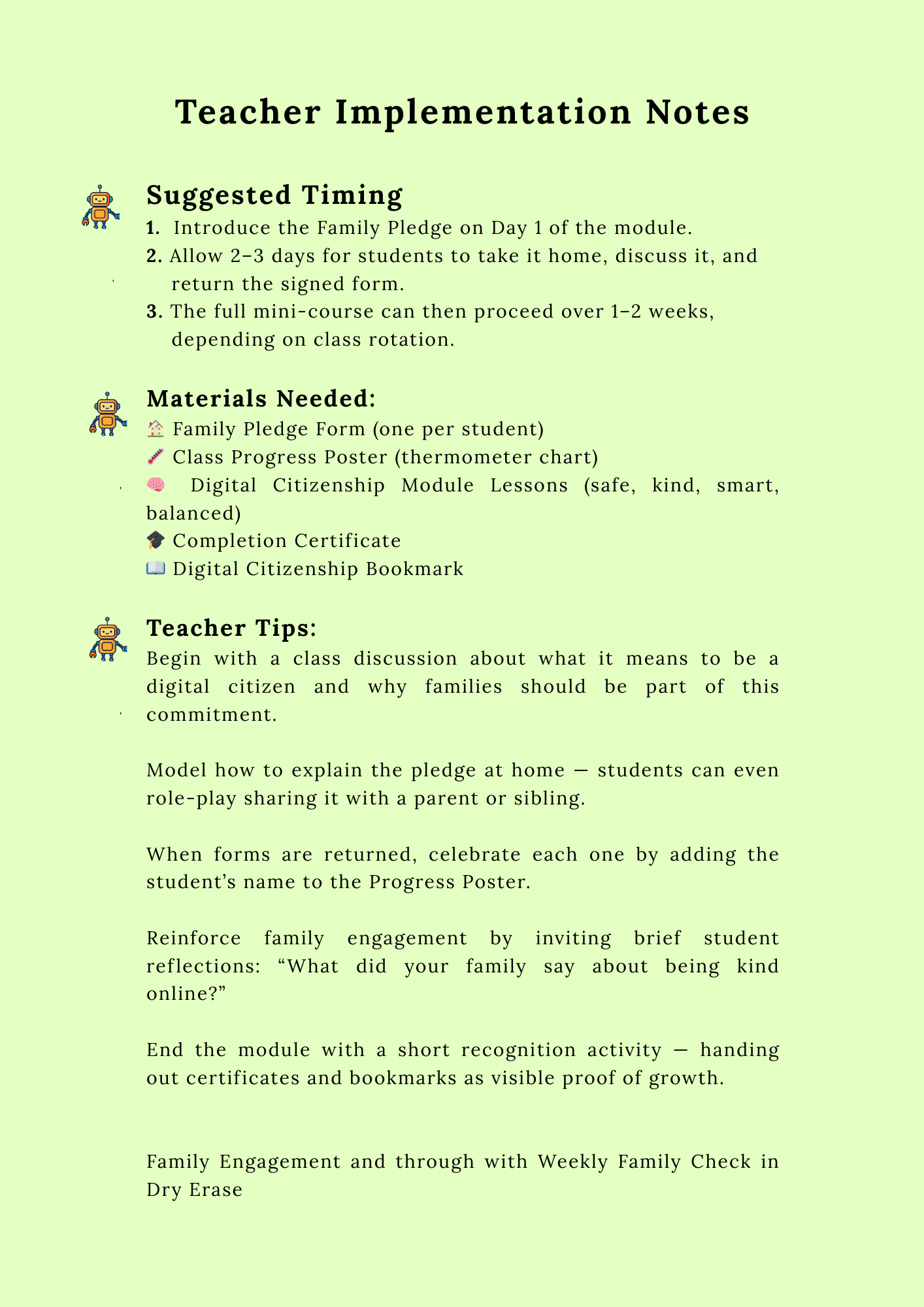
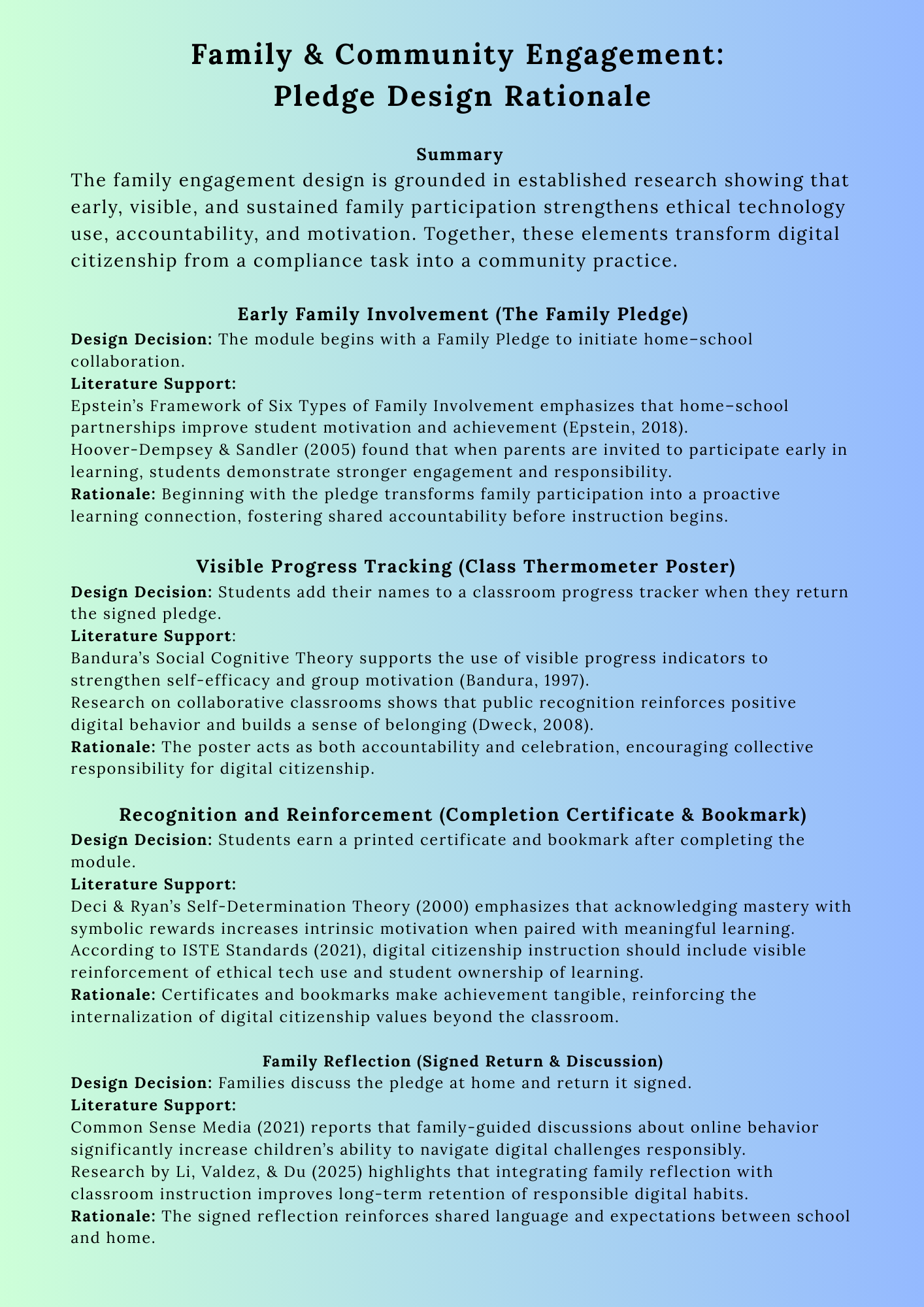
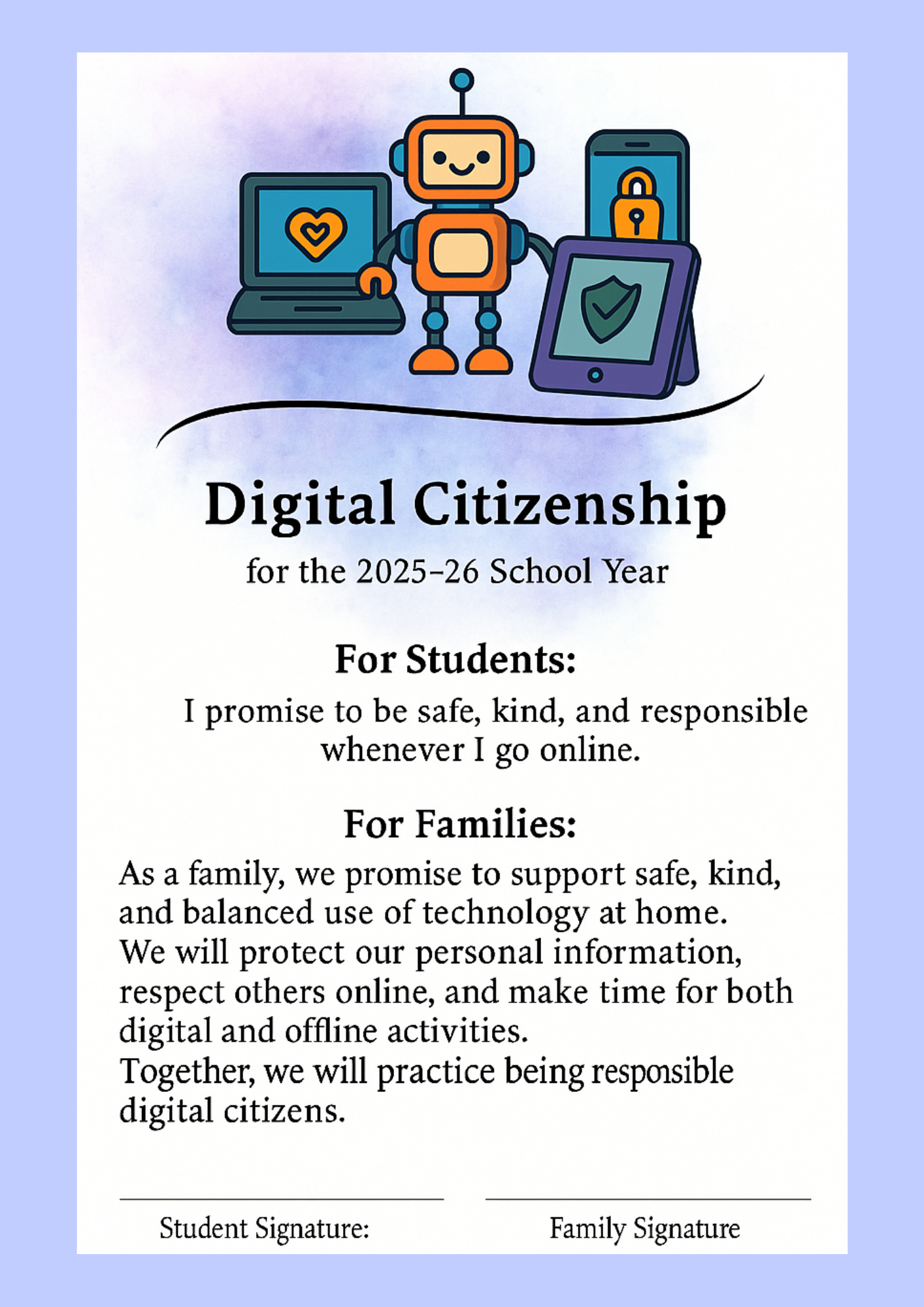
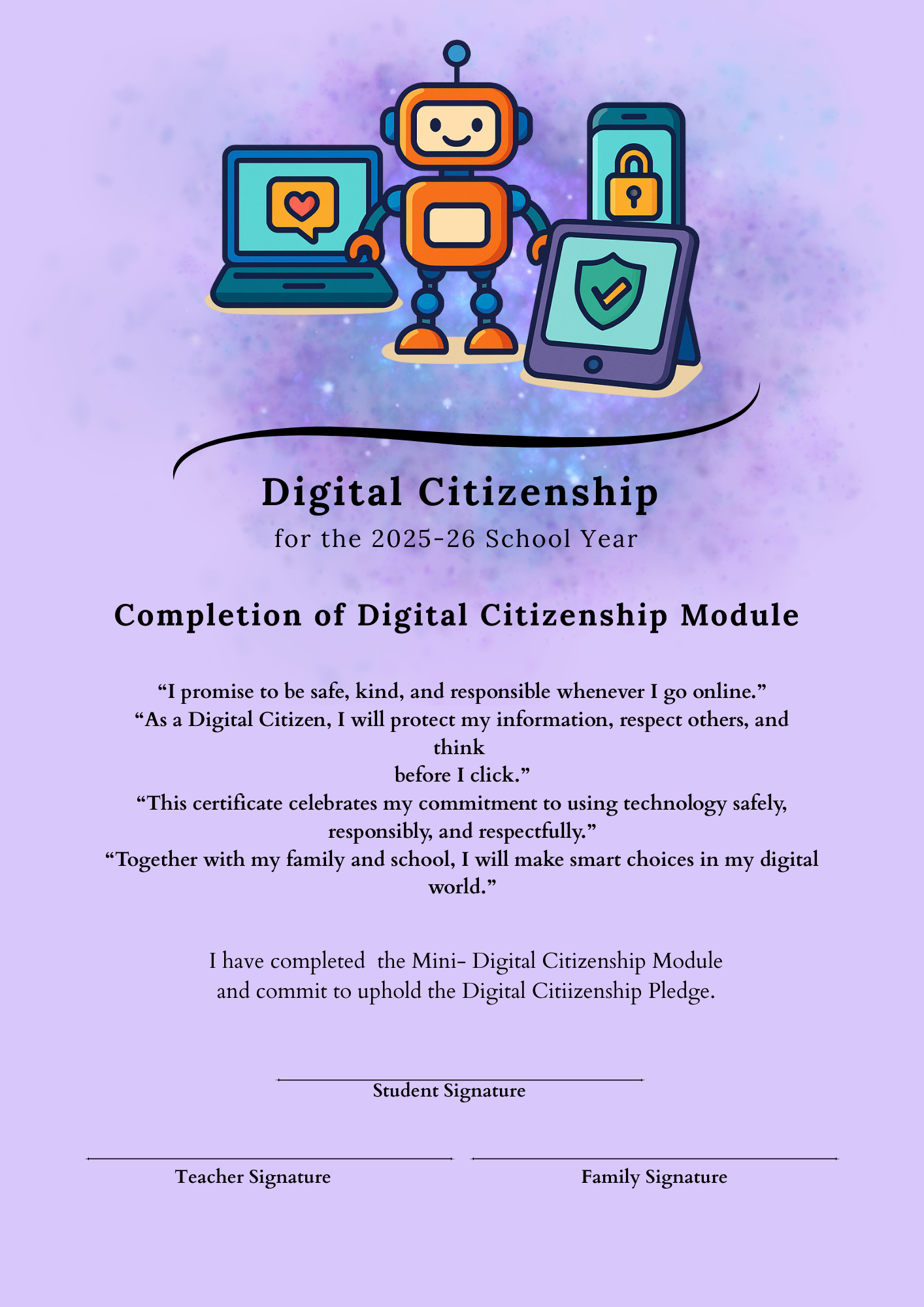
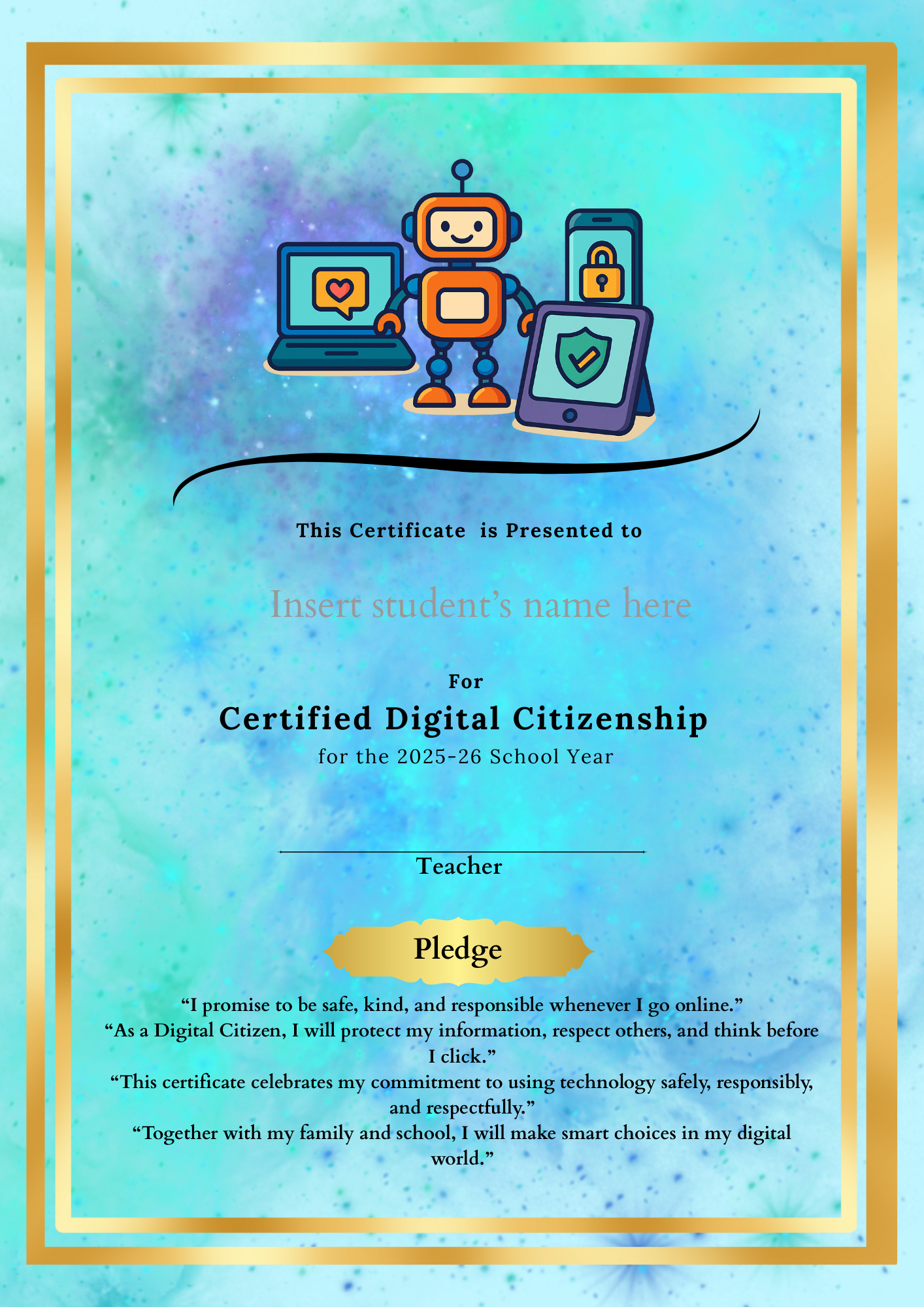
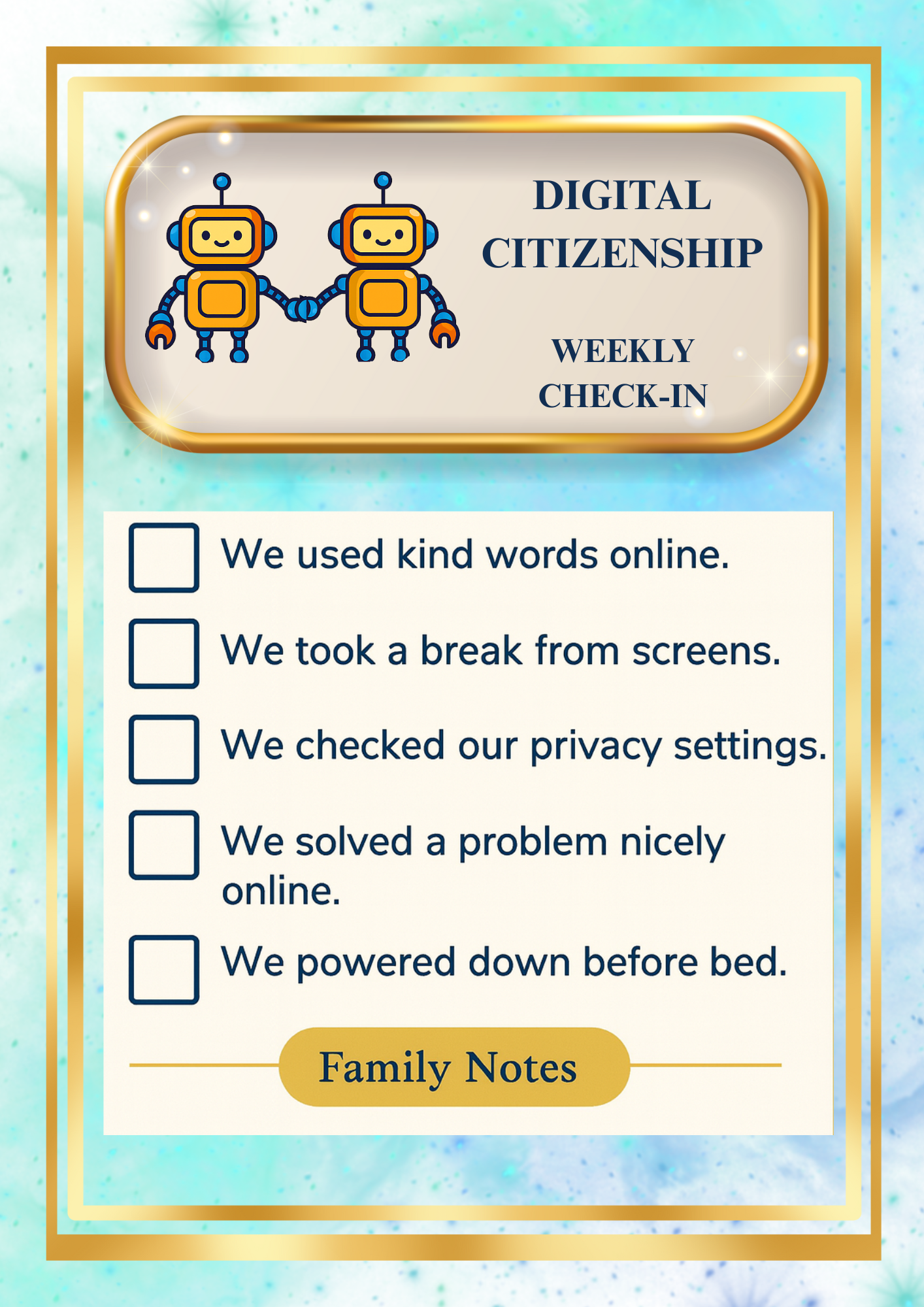
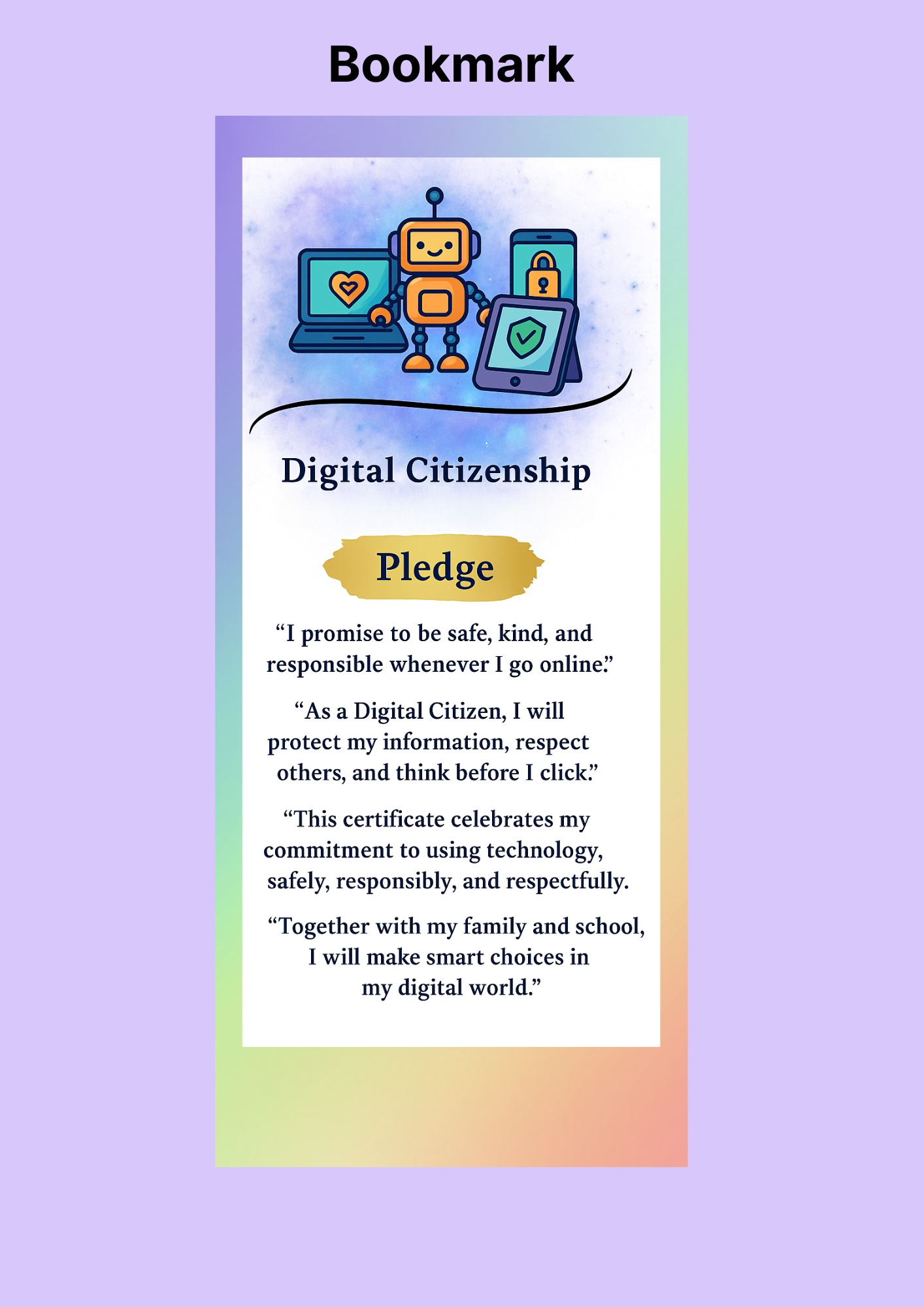
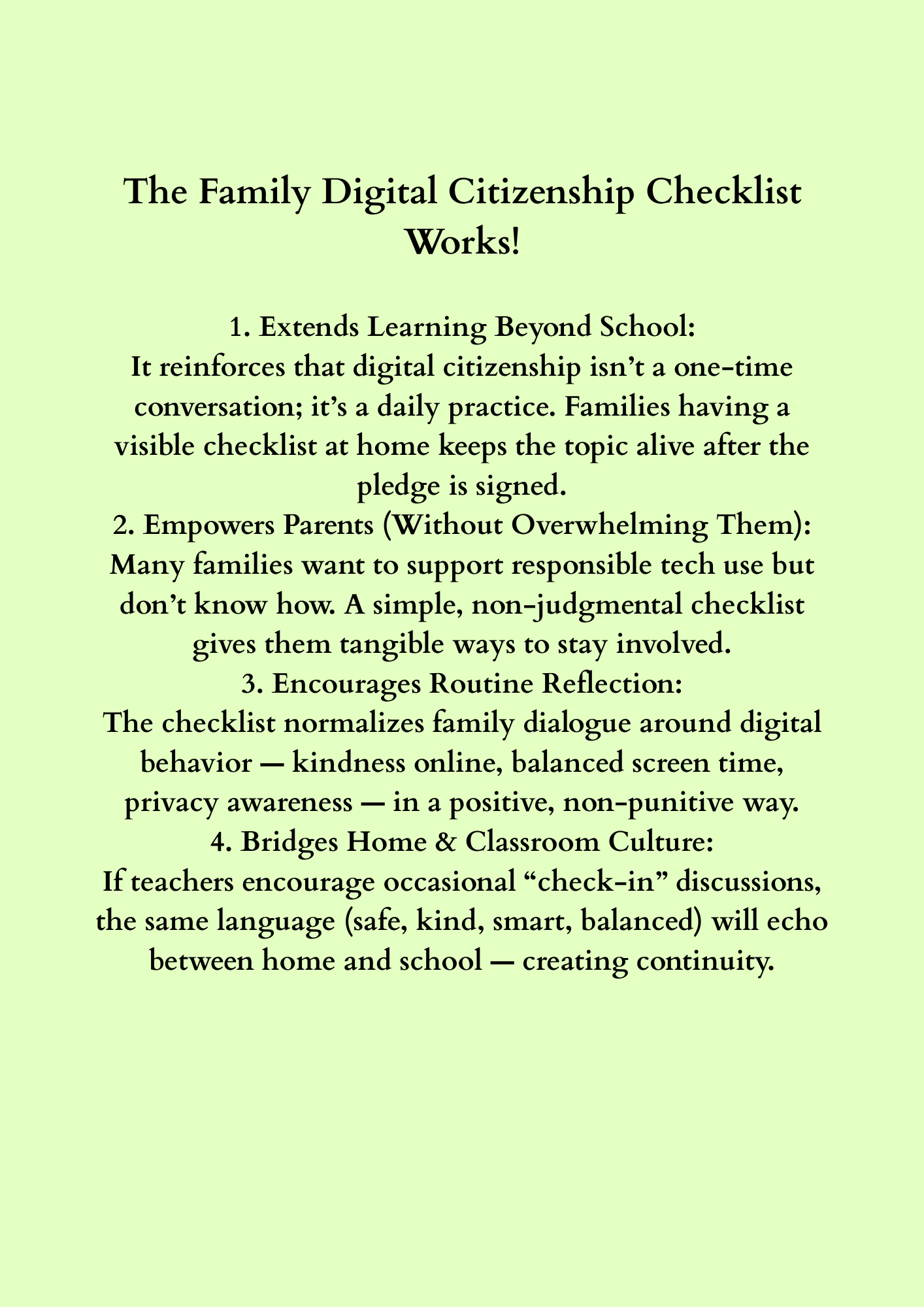
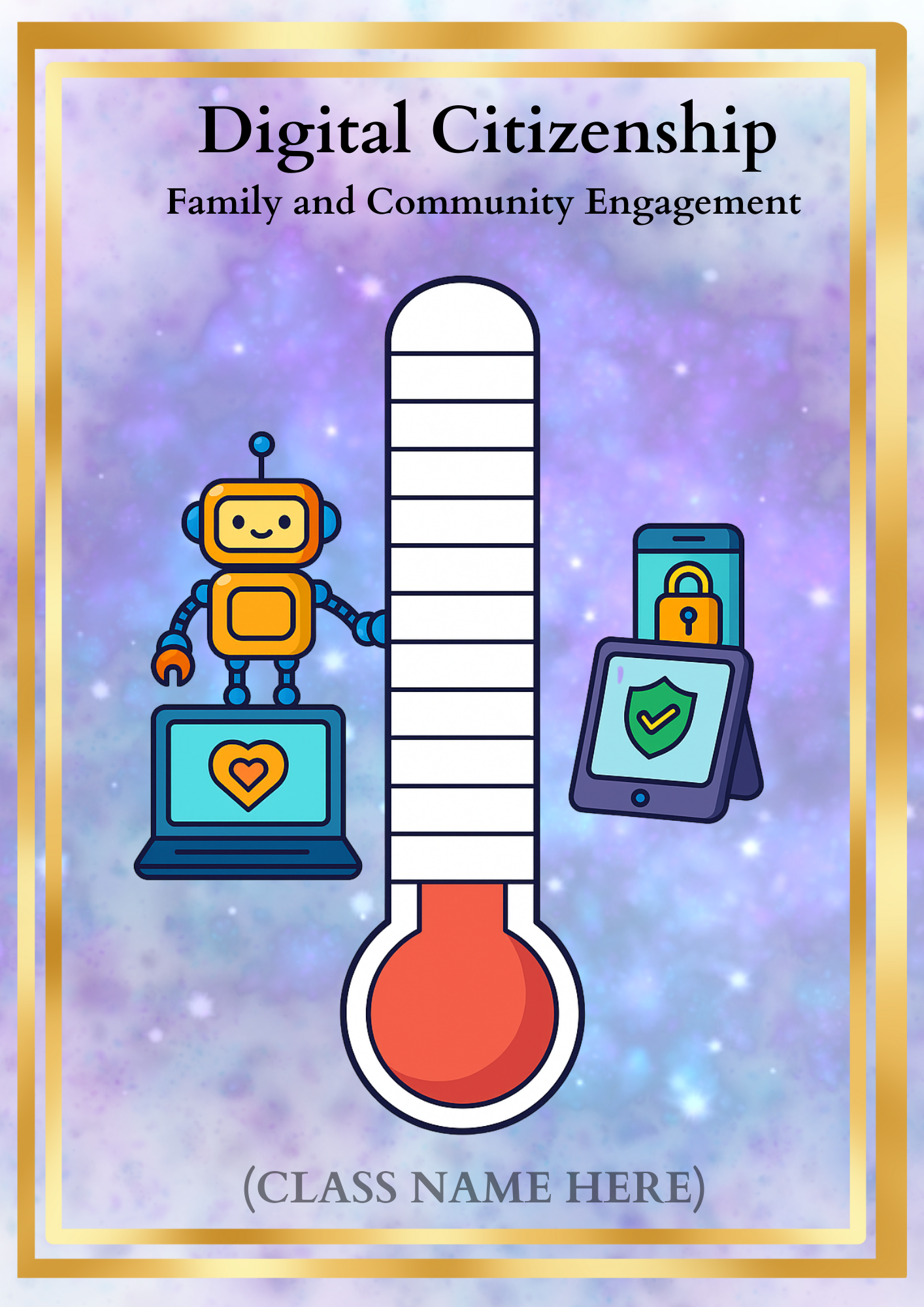
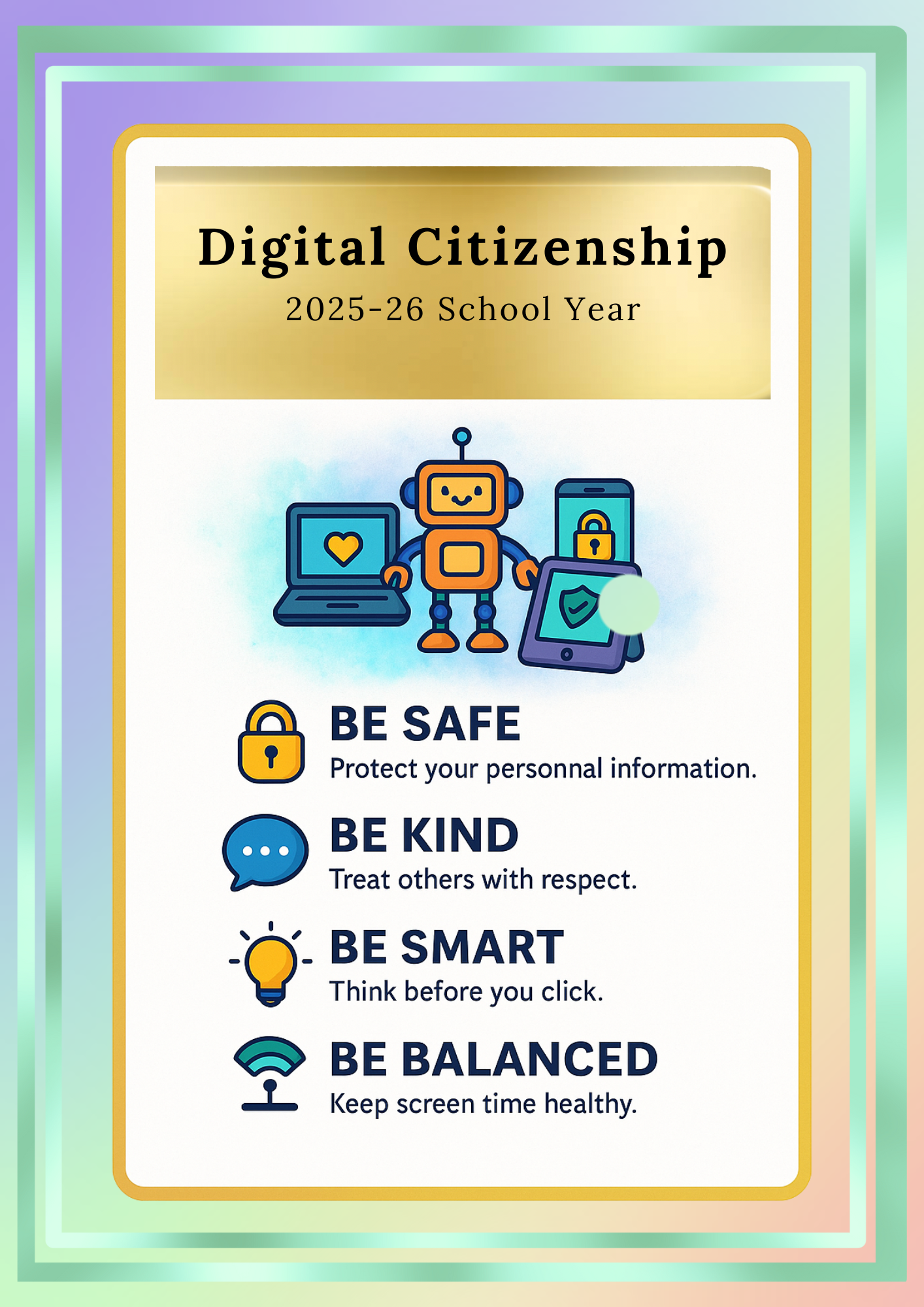
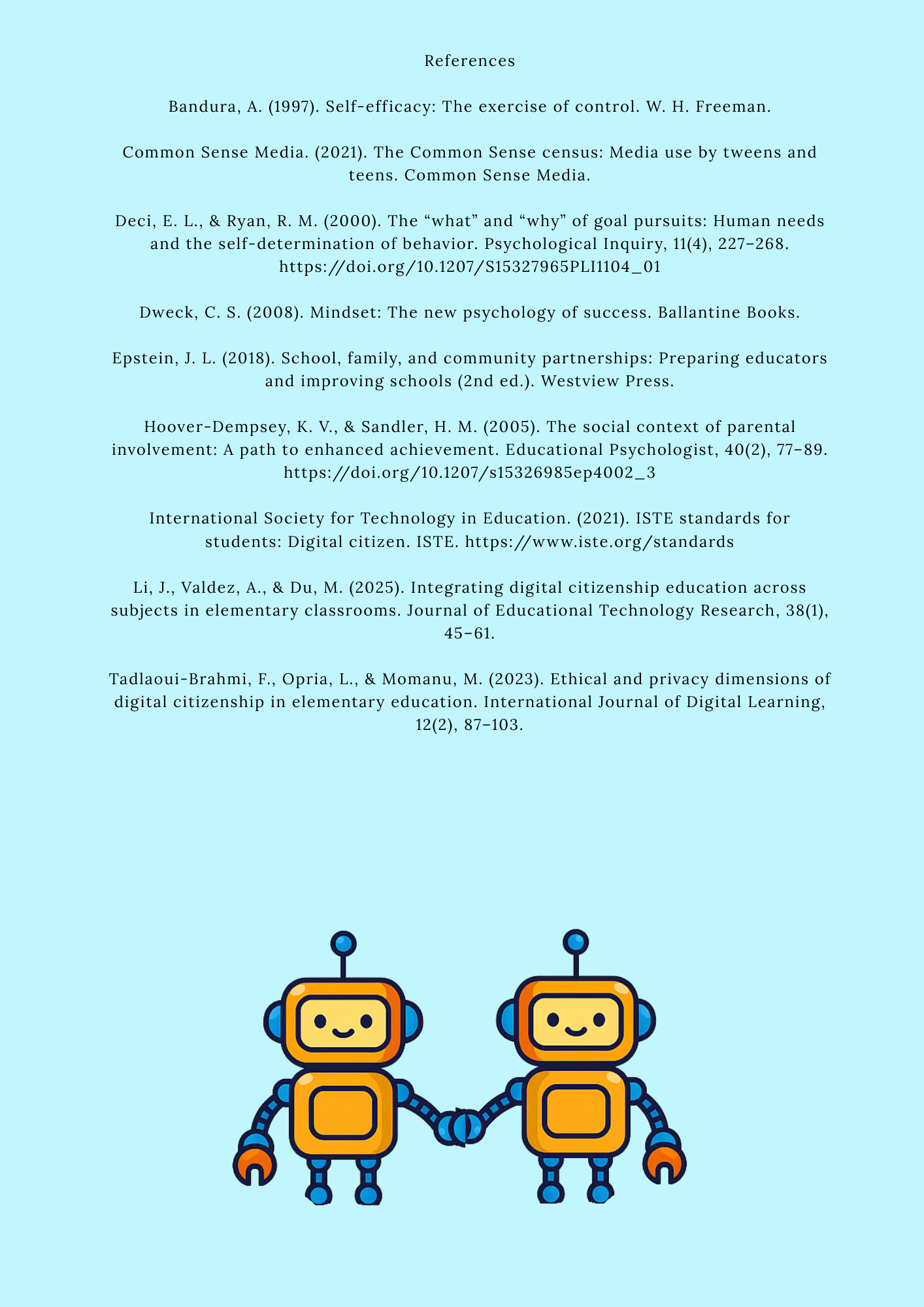
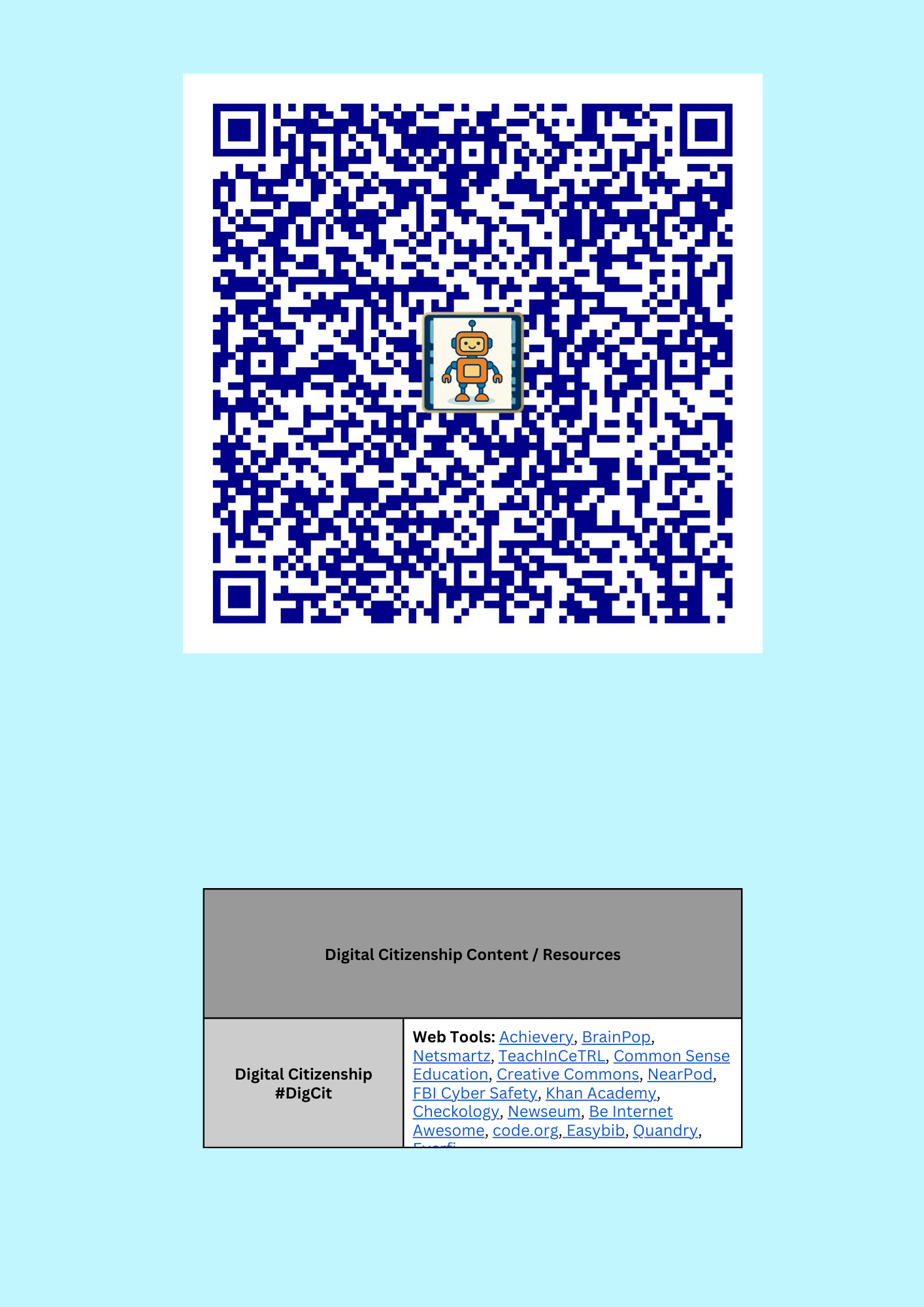
The key learning objectives of this course are to develop and employ the principles of instructional design. Key competencies include strong communication skills, a clear understanding of how people learn guided by UDL principles within each lesson. I have given examples of instructional design methods within the context of the Mini Digital Citizenship Module. My group modeled the varying responsibilities and dedication that is needed for creating meaningful material, the importance of the steps, from research to development, design, and implementation. To create effective learning material it is often required to work with a group of experts, and stakeholders. Group Projects involve effective communication. This project reflects cohesion and understanding of the material and the elements of design, from conception to deployment. We met and created a plan, outlined our strategy, and implemented the steps through planning, research, and designed an effective learning module. Evaluation, formative and summative assessments, reflect the effectiveness of our design for the success of the learning module in design and the students' learning. My team worked on the greater portion together and I was solely responsible for the Family and Community Engagement section. I researched methods of engagement, created imagery and instructions on use of the materials. I created the worksheets with ChatGPT, and created the presentation, handouts, posters, and bookmarks on Canva. I collaborated with ChatGPT to design the artwork via DALL E.
Applying Instructional Design Principles in Creation of My e-portfolio
I have included links for a variety of portfolio works with images that reflect what I have learned in this course. I included definitions for the ADDIE and SAM method, because ADDIE is a building block of design and SAM because it is a holistic approach to learning. The process is iterative and mirrors how people learn. In creating the Design section of my e-portfolio I employed Meyers 12 Principles of Design. I want my designs to be cohesive, exciting for the learner, in ways that add to the curiosity and engagement. .
Narrative for Professional Growth in My Instructional Design Journey
In my journey through the instructional design process I have learned a great deal about the skills it takes to create meaningful educational learning materials. Communication is a key skill when creating lessons that meet the needs of the client, implementing UDL, SEL, Design principles, and choosing the body of people that are co creating with me. Having people I can rely on, graphic designers, SME’s, research specialists, material developers, is imperative. It takes skilled designers, who have interpersonal relationship skills and an understanding of human potential to create the foundation of meaningful learning modules. Ai is accelerating the field of IDT. Apps, Programs, Gamification, AR, VR, are usefulfor creating fun and engaging programs. I collaborated with ChatGPT to create imagery and used Canva to make the Family and Community Engagement portion of the Mini Lesson for Digital Citizenship. It took more time than I thought it would but it yielded great results.